


Next generation of skincare products

The next generation of skincare products is defined by a fusion of biotechnology-derived ingredients, extreme personalization through AI, and a strong emphasis on skin barrier health and sustainability.
Biotech and Advanced Ingredients
The future of skincare involves a move towards high-efficacy, science-backed ingredients, often created through sustainable lab processes.
Exosomes: These powerful biostimulators are gaining prominence for their anti-aging and regenerative effects, promoting tissue repair and improved cellular communication. They are best utilized in post-treatment masks and serums.
Biomimetic Peptides: Designed to mimic the skin’s natural biological processes, these peptides stimulate collagen synthesis and help regenerate the skin barrier, offering potent anti-aging benefits without irritation.
PDRN (Polydeoxyribonucleotide): Derived from DNA fragments (animal or plant-based), PDRN promotes cell regeneration and wound healing and is effective for skin repair in recovery creams and ampoules.
Bakuchiol: As a natural, skin-friendly alternative to retinol, bakuchiol is on the rise for delivering comparable anti-aging benefits without the common side effects like irritation or photosensitivity.
Microbiome-friendly formulations: Products containing pre-, pro-, and postbiotics are becoming standard to help balance the skin’s natural flora, reducing inflammation and strengthening the skin barrier for overall skin health.
Technology Integration
Technology is transforming the consumer experience and product efficacy, from development to daily use.
AI-Powered Personalization: Artificial intelligence and machine learning enable ultra-precise skin diagnostics and customized product recommendations based on individual needs, environmental conditions, and lifestyle factors. Companies like Lululab’s Lumini platform use AI for detailed skin analysis.
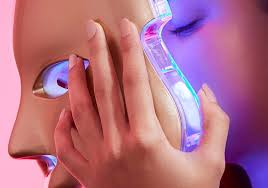
Smart Devices: At-home devices are becoming more popular, including LED light therapy masks and microcurrent facial toning tools that were once exclusive to salons. These tools enhance product absorption and provide professional-level results at home.
Nanotechnology: This advancement allows for the manipulation of ingredients at a nanoscale to enhance stability, improve skin penetration, and ensure the targeted delivery of active compounds deep into the skin.
Augmented Reality (AR): AR tools allow consumers to virtually try on products like makeup or experiment with different routines, improving engagement and helping them make informed choices before purchasing.
Key Trends and Consumer Values
Consumer demand is shaping the industry’s focus on transparency, health, and ethical practices.
Skinimalism and Hybrid Products: The “less is more” approach is popular, focusing on fewer, high-quality, multi-functional products (e.g., tinted moisturizers with SPF, serum foundations) that combine skincare benefits with makeup attributes.
Sustainability and Clean Beauty: Consumers prioritize brands that are transparent, credible, and use natural, organic, and ethically sourced ingredients. Innovations include waterless formulations, upcycled ingredients, and biodegradable or refillable packaging to minimize environmental impact.
Holistic Wellness: Skincare is increasingly viewed as part of overall health, with products incorporating elements like aromatherapy and soothing textures to support mental well-being alongside skin health.
Dermatologist-Inspired Formulations: A rising demand exists for clinically tested, science-backed products, moving away from potentially harsh ingredients toward balanced solutions for conditions like acne and skin barrier repair.